Article
Prevent E. Coli, Food-borne, Other Illnesses at County Fairs
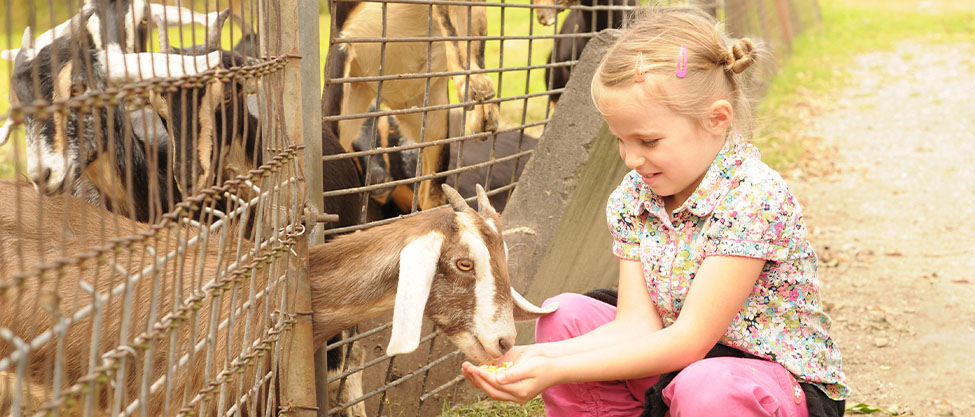
Two of the more popular pastimes at the county fair are eating fair food and seeing the animals. These and other activities do not come without risks. Outbreaks of various illnesses serve as a reminder that attendees may get more than they bargained for at the county fair.
- At least 11 people were infected with E. coli at the Minnesota State Fair after contact with animals while visiting the Miracle of Birth exhibit in 2019. Six people were hospitalized.
- Romaine lettuce was the likely cause of a nationwide E. coli outbreak in 2018 when 210 Americans were sickened and five deaths were reported as a result, including two in Minnesota.
- 157 cases of E. coli were linked to a Minnesota traveling petting zoo in 2014.
Take Illnesses Seriously
E. coli is a common type of bacteria that can spread relatively easily. Illness can occur after consuming contaminated food, including unpasteurized milk and apple cider, water that has not been disinfected, undercooked meats, and contaminated fruits and vegetables.
E. coli can also spread by contact with animals or animal environments. Although the major source of human illness is cattle, other sources include sheep, goats, birds, deer and pigs. In addition, the illness can occur after eating food prepared by people who did not wash their hands after using the toilet or coming into contact with bacteria from other sources.
Numerous other sources of food-borne illnesses, such as cryptosporidiosis and salmonellosis are common in the United States and can also be an area of concern for county fairs. In some states salmonellosis is the most commonly reported form of intestinal disease and is one of the most commonly reported bacterial food-borne illnesses.
Coverage and Outbreaks
It is important that MCIT members understand that MCIT liability coverage may not apply to claims related to contraction of E. coli and other communicable diseases. Claims arising from disease are excluded under the fungus, communicable disease and/or pollution exclusions to liability coverage in the MCIT Coverage Document.
Members may consider seeking special event coverage from the private insurance market that addresses these risks. MCIT risk management consultants can provide more information about this to members individually. They can be reached at 866.547.6516.
Prevent Spread of Disease
To protect fairgoers and member entities, MCIT members should take measures to prevent the spread of these illnesses and establish guidelines and procedures for food vendors, corn-filled play areas for children, petting zoos and other sources of animal contact at the fair.
Risk management recommendations, including the key suggestions from the The National Association of State Public Health Veterinarians’ report, Compendium of Measures to Prevent Disease Associated with Animals in Public Settings, include:
- Establish protective guidelines and procedures for vendors and fairgoers for handling food and contact with animals.
- Ensure contractors and vendors agree to protect, defend and hold the member organization, as appropriate, harmless from any and all claims or liability arising out of their operations.
- Require food vendors to provide a certificate of liability coverage that includes product liability coverage (for products consumed both on and off premises) with recommended limits of $500,000 per claimant and $1.5 million per occurrence. This coverage should include an additional insured endorsement, naming the member entity, as appropriate, as an additional insured.
- Post signs warning visitors that they are entering animal areas.
- Educate visitors not to eat, drink, smoke, use bottles or pacifiers, or put hands in mouths when in animal areas or corn-filled play features.
- Establish transition spaces at animal area exits with adequate hand washing facilities for all, and follow Americans with Disabilities Act guidelines for accessibility.
- Post signs or otherwise instruct visitors to wash hands when exiting animal areas or corn-filled play features.
Helpful Resources
The no-cost Agricultural Society Loss Prevention Best Practices Guide provides risk management recommendations for animal-borne and food-borne illnesses at county fairs in addition to many other concerns.
The Minnesota Department of Health provides posters and other resources to help reduce the spread of illness at fairs and at petting zoos.
For more information, members should contact their MCIT loss control consultant or risk management consultant at 866.547.6516.
Topics